Cost-Effective Fence Replacement: Transform Your Outdoor Space Today
Cost-effective fence replacement is essential for improving outdoor areas while maintaining property value. Homeowners often overlook the benefits of timely fence updates. Using suitable materials and methods, they can accomplish both curb appeal and protection without straining their budget. Understanding the options available is essential. What are the best choices for budget-conscious homeowners? The answers may lead to unexpected solutions.
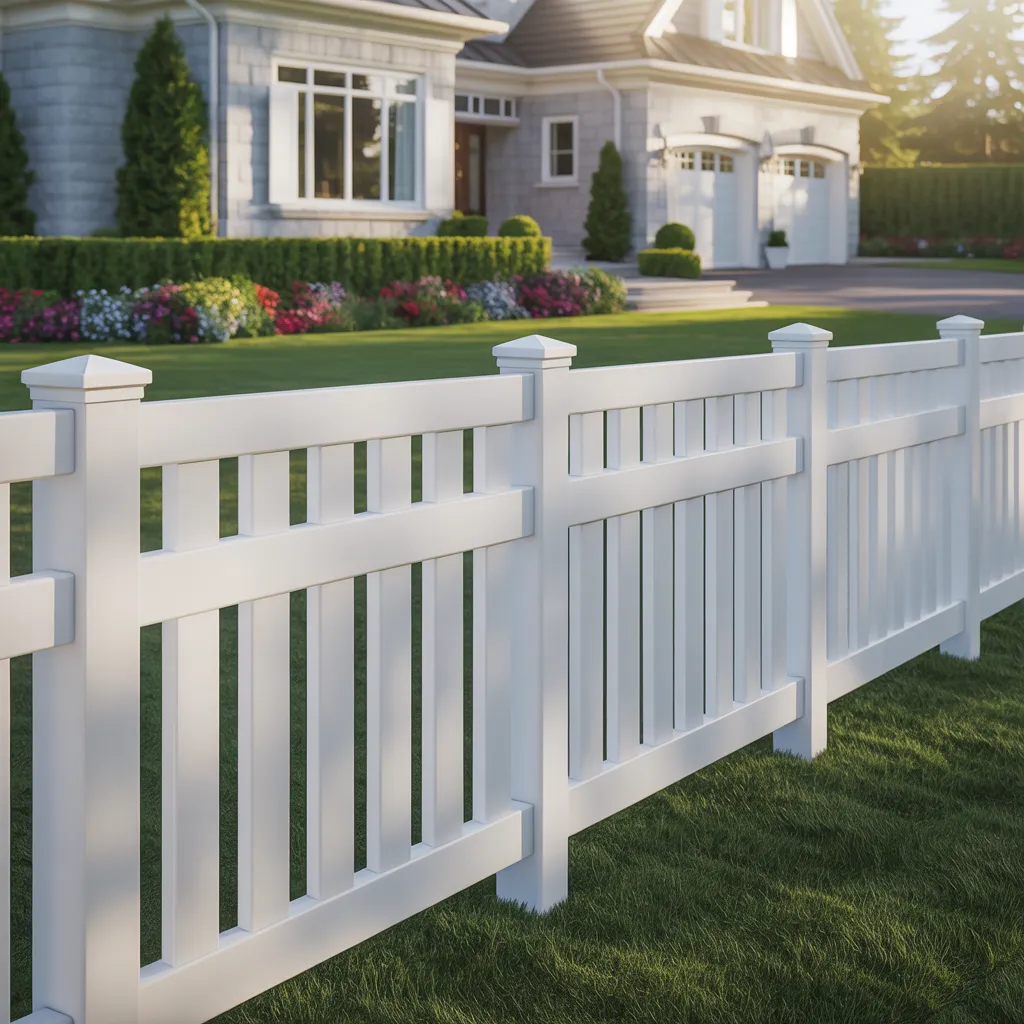
Determining Your Fencing Needs
What is the best way to identify the most effective method to replacing a fence? The procedure commences with a thorough assessment of existing fence conditions. This involves checking for damage, rot, or decay, as well as assessing the overall aesthetics and functionality of the current fence. Property owners must also evaluate the purpose of the fence—whether for boundary marking, privacy, or security. Next, it's important to determine the dimensions of the area requiring fencing, ensuring accurate dimensions for material selection. Cost limitations are of great importance; being aware of the cost differences among materials, such as vinyl, metal, or wood, supports sound decision-making. Furthermore, neighborhood aesthetics and local zoning regulations should be considered as part of the process. By prioritizing these elements, homeowners can successfully determine the best fencing option suited to unique situations and needs, ensuring a smooth and successful fencing project.
Why Cost-Effective Fence Replacement Is Important for Homeowners
Although many property owners tend to underestimate the value of cost-effective fence replacement, it is a key factor in upholding both property value and overall security. A well-maintained fence not only improves the visual appeal of a home but also acts as a protective barrier against intruders and unwanted animals. Over time, wear and tear can compromise a fence's effectiveness, making timely replacement vital.
Cost-effective choices allow homeowners to restore their fences without overspending on renovations. This investment not only strengthens protection but also significantly boosts curb appeal, which can influence potential buyers in the future. Additionally, a new fence can mark property limits precisely, avoiding conflicts with adjoining homeowners. As outdoor spaces grow more valuable for relaxation and recreation, a sturdy and attractive fence enhances these areas, making them far more appealing. Ultimately, cost-effective fence renewal is a wise investment for homeowners looking to safeguard and enhance their home.
Uncover Economical Fencing Materials
Exploring economical fencing materials can substantially impact a homeowner's ability to preserve both functionality and aesthetics. Solutions such as chain link, vinyl, and pressure-treated wood offer flexible options without straining your finances. Vinyl as a fencing material is durable and requires minimal maintenance, making it a worthwhile long-term solution. Although chain link is frequently regarded as utilitarian, can be upgraded with slats or vinyl coatings to increase appearance and privacy. Pressure-treated lumber delivers a classic look and is adaptable with various stains and paints, providing homeowners creative freedom.
For homeowners looking for environmentally conscious options, bamboo and recycled plastic fencing are increasingly popular. These solutions not only lower environmental harm but also deliver remarkable visual character. By thoroughly exploring these economical alternatives, homeowners can identify fencing solutions that improve their outdoor environments while maintaining affordability. In the end, the ideal selection will harmonize aesthetics, longevity, and cost-efficiency, guaranteeing contentment for the foreseeable future.
How to Select the Right Fence for Your Budget
When selecting a fence that aligns with budget limitations, examining specific needs is important. This requires considering factors such as function, setting, and visual appeal. Subsequently, researching different material choices can reveal budget-friendly solutions that meet those needs effectively.
Assess Your Needs First
How can one effectively determine the right fence for their financial plan? Initially, it is essential to consider specific needs, such as aesthetics, privacy, and security requirements. Determining the key objective of the fence will guide choices and help narrow down options. Additionally, examining the size of the area to be fenced is crucial, as this will influence material and labor costs. Moreover, accounting for local zoning regulations and homeowner association guidelines can eliminate unforeseen financial obstacles. To conclude, establishing a clear budget early on will simplify the selection procedure, allowing for a more focused selection of materials and styles. By carefully considering these factors, one can arrive at well-reasoned decisions that correspond with their spending capacity while satisfying their fencing objectives.
Examine Material Selections Thoughtfully
Identifying the most suitable fence material for a specific budget requires thorough evaluation of the many choices available in the market. Homebuyers often weigh price against long-term performance, aesthetic appeal, and ongoing maintenance. Wooden fencing deliver a timeless appearance but can demand routine maintenance, while vinyl fencing offers a maintenance-free option at a higher initial cost. Metal fencing choices, such as wrought iron or chain-link, provide lasting strength and safety, though they tend to fluctuate widely in overall expense. Composite options blend the natural look of wood with the resilience of synthetic options, making them a flexible option. In the end, evaluating each material's longevity, installation costs, and maintenance requirements will lead homeowners toward a choice that aligns quality with financial limitations, resulting in a rewarding outdoor improvement.
Budget-Friendly DIY Fence Installation Tips
When planning a DIY fencing related content project, selecting affordable materials can greatly impact overall costs. Strategic planning of the fence layout also works to minimize unnecessary waste and improve overall efficiency. Moreover, using online tools and resources can deliver useful advice and insights, additionally enriching the overall DIY experience.
Select Budget-Friendly Materials Carefully
Though many property owners think that building a quality fence demands a large investment, opting for cost-effective materials can significantly cut costs without diminishing quality. Materials including pressure-treated wood, vinyl, or chain-link fencing deliver trustworthy options at more affordable price points. Moreover, investigating recycled materials can present one-of-a-kind design possibilities while staying green and cost-efficient. Property owners should also look into local vendors, as they often provide savings on large-quantity orders. Opting for pre-fabricated panels can simplify installation and cut labor costs. Furthermore, picking materials that require minimal upkeep can result in considerable long-term cost reductions. By thoroughly assessing these alternatives, property owners can develop an economical and visually pleasing fencing solution customized for their outdoor areas.
Map Out Your Layout Thoughtfully
A well-designed plan is important for a smooth DIY fence setup. Careful preparation helps to minimize unnecessary expenses and assures that the fence meets its goals. As a first step, property lines should be clearly marked to prevent disputes with neighbors. Next, carefully measuring the area is fundamental; this includes accounting for slopes, obstacles, and gates to ensure proper function. It is advisable to draw a comprehensive layout, indicating the positioning and design of the fence. This detailed diagram assists with calculating costs and material requirements. Additionally, reviewing local zoning laws can eliminate future problems. By dedicating time to careful planning, DIY enthusiasts can streamline the installation process, enhance the project's overall efficiency, and reduce overall costs.
Make Use of Useful Online Resources
After careful planning and layout design, homeowners can greatly benefit from utilizing helpful online resources. Various platforms provide comprehensive guides and videos that streamline the DIY fence installation process. Websites dedicated to home improvement often provide step-by-step instructions, material lists, and cost estimators, enabling homeowners to plan their budget effectively. Moreover, online forums and social media groups offer valuable insights from seasoned DIYers who share tips and tricks to prevent common mistakes. Several manufacturers also supply comprehensive product specifications and installation manuals, allowing homeowners to pick the correct materials for their projects. By utilizing these resources, homeowners can build their knowledge and confidence, culminating in a successful and budget-friendly fence replacement.
Smart Maintenance Strategies to Preserve Your Fence
A great number of homeowners look for budget-friendly care techniques to prolong the life of their fences. Regular inspections are essential; spotting problems early on can save money on repairs in the future. Property owners should routinely wash their fences, clearing away grime, mold, and algae with a simple mixture of water and mild detergent. This not only enhances appearance but also prevents deterioration.
Adding a protective sealant or paint every few years can protect wood fences from sun exposure and moisture-related harm, extending their lifespan. In addition, trimming nearby vegetation can minimize damage caused by excess moisture and overgrowth.
Employing the right hardware, such as rust-proof fasteners, can minimize corrosion and enhance durability. Finally, property owners should explore re-staining or painting rather than complete replacement, which is a cost-effective option. Applying these methods can successfully preserve fence integrity while minimizing expenses, ensuring the outdoor space remains inviting and secure.

Questions We Often Receive
How Long Does the Fence Replacement Process Typically Take?
Fence replacement generally requires anywhere from one to three days, according to the scope of the project and the materials selected. Weather conditions and any required permits can also influence the timeline.
What Permits Are Required for Fence Replacement?
Ordinarily, replacing a fence requires local building permits, zoning compliance approvals, and sometimes approval from the homeowners' association. Requirements vary depending on the location, so it is important for homeowners to check with local authorities before beginning the work.
Can I Finance My Fence Replacement Project?
Yes, there are often financing options available for fence replacement projects. Homeowners may consider personal loans, credit lines, or dedicated financing plans provided by contractors, enabling them to spread costs over time while improving their property.
Is Eco-Friendly Fencing an Available Option?
Eco-friendly fencing options are indeed available, including bamboo, recycled plastic, and reclaimed wood. These materials provide sustainable alternatives while reducing environmental impact, appealing to those seeking to enhance their outdoor space responsibly and aesthetically.
How Do I Choose a Reliable Fencing Contractor?
To choose a reliable fencing contractor, one should research online reviews, request references, verify licenses and insurance, compare quotes, and gauge communication skills to ensure a trustworthy and professional working relationship during the project.